
Reduces draughts through walls
Uninsulated brick veneer walls allow air to move freely through the cavity, creating cold spots and draughts. Cavity insulation blocks this airflow, making rooms more comfortable and consistent in temperature.
Warranwood Wall Insulation
Cavity wall insulation for brick veneer homes in Warranwood, installed through small holes with minimal disruption. Expert Insulation Melbourne fits reflective or bulk materials to cut draughts and heat loss.
Share your details and Expert Insulation Melbourne will contact you about Cavity Wall Insulation in Warranwood.
Cavity wall insulation fills the gap between the inner and outer leaves of brick veneer walls in Warranwood. This service suits many homes built from the 1960s onwards in the area, where the hollow space can be accessed and filled with insulating material. It reduces air leakage through walls, which is a major source of winter heat loss and summer heat gain in Melbourne’s climate.
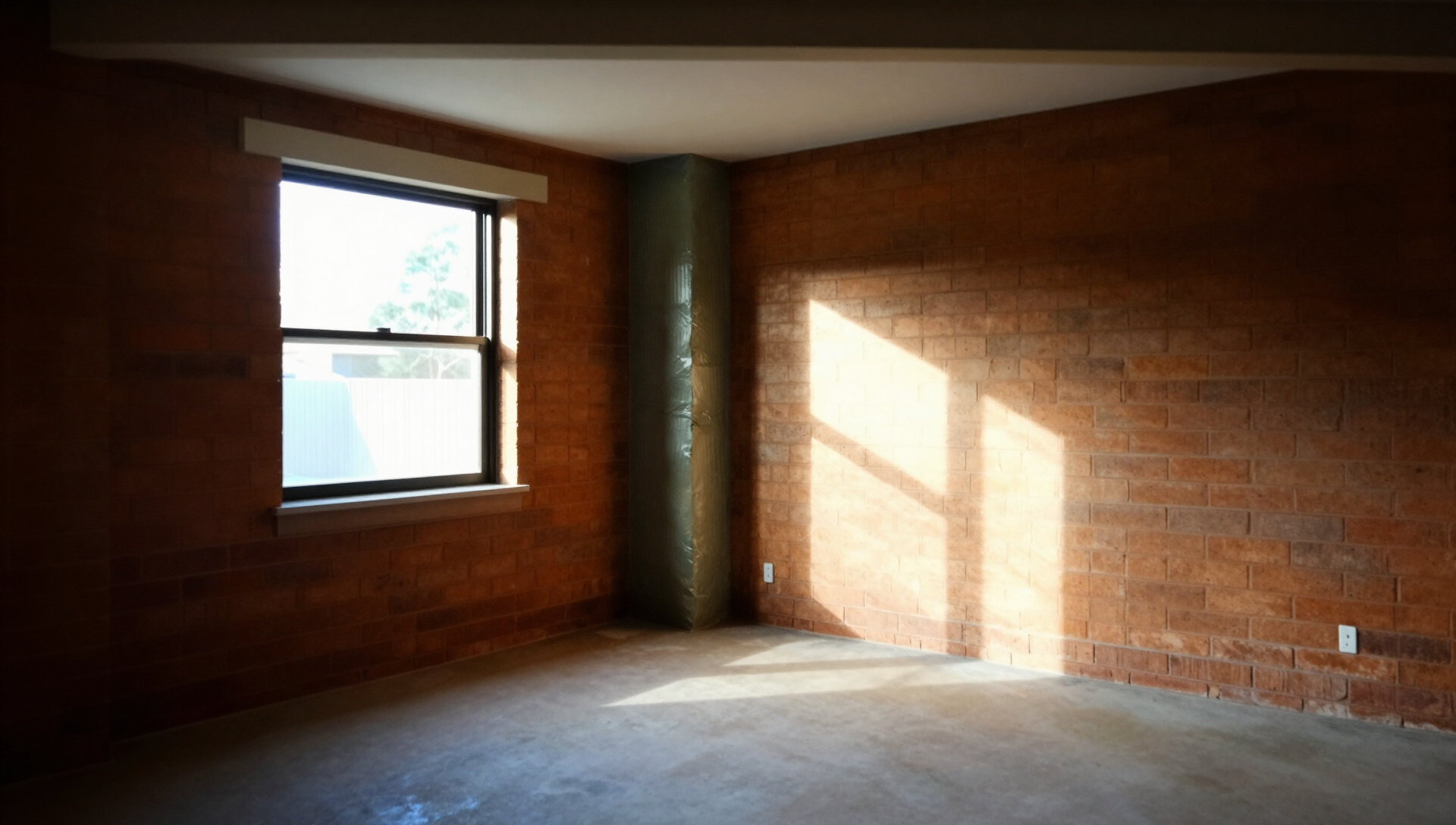
Warranwood’s mix of 1970s and 1980s brick veneer homes often lack insulation in the wall cavity, leading to cold draughts in winter and overheating in summer. Filling this gap improves thermal resistance and reduces reliance on heating and cooling.
Uninsulated brick veneer walls allow air to move freely through the cavity, creating cold spots and draughts. Cavity insulation blocks this airflow, making rooms more comfortable and consistent in temperature.
In Melbourne’s cold winters, up to 25% of heat can escape through uninsulated walls. Cavity insulation adds a thermal barrier, helping retain warmth and lowering heating costs.
Hot northerly winds in summer push heat through external walls. Insulating the cavity slows this transfer, keeping interiors cooler without overworking air conditioning.
The same air gap that lets in draughts also carries external noise. Cavity insulation dampens sound from traffic and neighbours, noticeable in quieter Warranwood streets.
Installation requires only small access holes in the mortar, which are sealed and painted to match. There is no need to remove internal linings or external cladding.
Unlike wall batts, cavity insulation does not require opening up the wall. It is a practical solution for finished homes where retrofitting bulk insulation would be invasive.
The process begins with an inspection to confirm the wall type and cavity condition. Not all brick walls are suitable, so moisture and structural checks are essential before proceeding.
A technician assesses the wall construction, cavity width and any signs of damp or moisture. Brick veneer is typically suitable, while double brick or walls with existing issues may not be.
Small holes are drilled in the mortar joints at regular intervals, usually every 600mm. These provide entry points for the insulation material without damaging the bricks.
Loose-fill or foam insulation is injected into the cavity under controlled pressure to ensure even distribution. Reflective foil or bulk materials can also be used depending on the system chosen.
The access holes are sealed with matching mortar and touched up with paint to restore the wall’s appearance. The site is left clean with no visible signs of the work.
Warranwood’s brick veneer homes, common in the 1970s and 1980s, often have uninsulated wall cavities that contribute to poor thermal performance. Cavity wall insulation is a non-invasive way to upgrade these homes, addressing the specific climate challenges of Melbourne’s outer eastern suburbs. Nearby Ringwood and Croydon share similar housing stock, making this a practical solution for the area.
Improve thermal comfort in Warranwood brick veneer homes with cavity wall insulation.
Homeowners in Warranwood often ask about the suitability, process and benefits of cavity wall insulation. Here are the key details to help you decide.
Cavity wall insulation in Warranwood targets the hollow space between the inner and outer layers of brick veneer walls. This gap, if left uninsulated, allows air to circulate freely, leading to significant heat loss in winter and heat gain in summer. For homes in Warranwood, where brick veneer construction is common, filling this cavity with insulating material can markedly improve thermal resistance and reduce energy bills.
The installation process is designed to be as unobtrusive as possible. Small holes are drilled into the mortar joints, through which insulation is injected. These holes are then sealed and painted to match the existing wall, leaving no trace of the work. This method avoids the need for major renovations, making it an attractive option for homeowners looking to upgrade their insulation without disruption.
Not all walls are suitable for cavity insulation. A pre-installation inspection checks for moisture issues, wall type and cavity condition. In Warranwood, many homes built from the 1960s onwards are ideal candidates, but double brick walls or those with existing damp problems may require alternative solutions. The chosen R-value and material type will depend on the specific needs of the home and the local climate.
Reduce draughts and improve thermal comfort in your Warranwood home. Call Expert Insulation Melbourne on 0399695249 to arrange an inspection and quote.